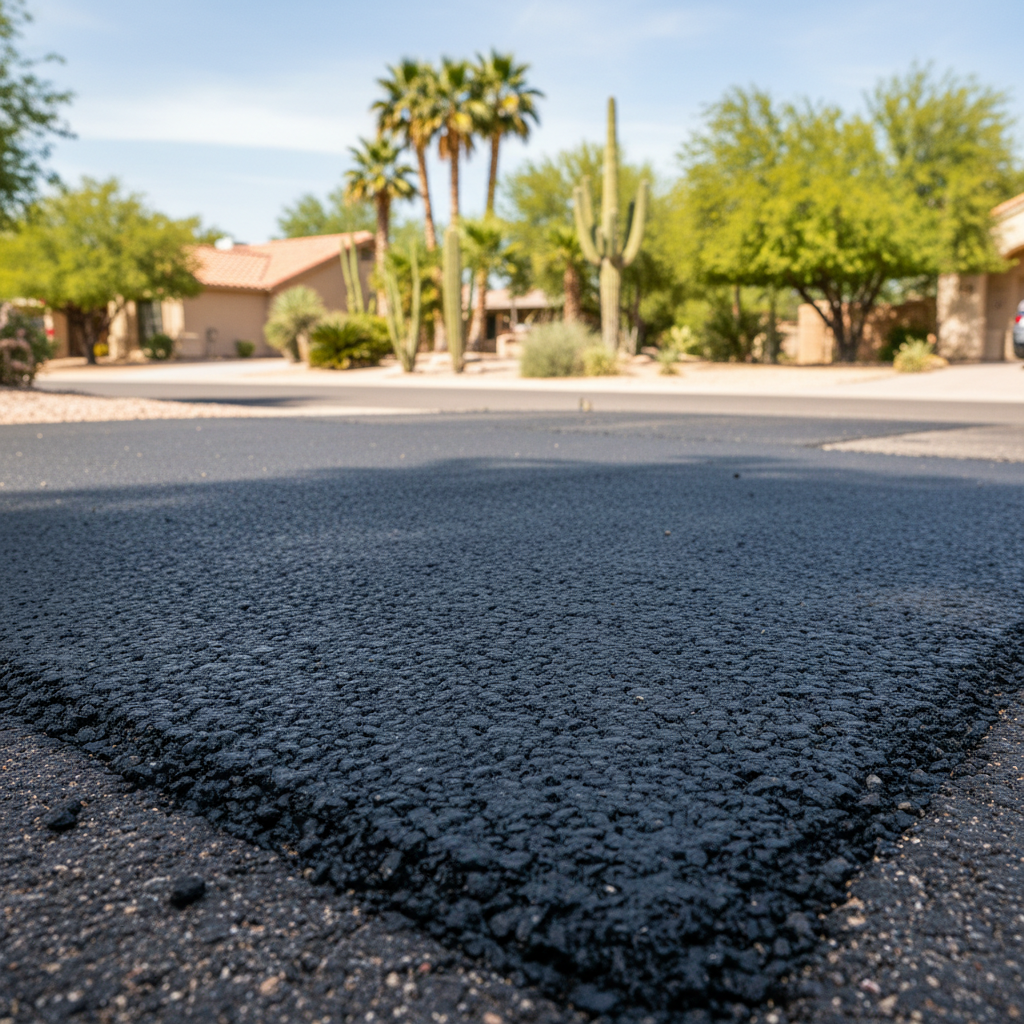
Is Your Phoenix Driveway Looking Rough? Let's Talk Asphalt Repair.
You've seen it, right? That little crack that starts small, then turns into a spiderweb. Or maybe a small dip suddenly becomes a full-blown pothole after a monsoon storm. It's incredibly frustrating, and honestly, if you don't deal with it, it just gets worse. As a local contractor, my phone rings constantly about driveways and parking lots that are falling apart. But here's the thing: not every asphalt problem needs a whole crew and heavy machinery. Some of this stuff? You can absolutely handle it yourself. Let's break down what you *can* do and when you really need to pick up the phone.
Before You Grab That Shovel: Assess the Damage
Hold on a second before you even think about buying materials. First, take a really good look at your asphalt. What kind of damage are we actually talking about? Is it just a few thin cracks, or do you see a wider, alligator-skin pattern? Maybe a deep pothole? The type of damage you've got will tell you exactly which repair method you need.
- Hairline Cracks: These are usually pretty minor, often just on the surface. They're typically easy to fix.
- Wider Cracks (1/4 inch or more): These definitely need more attention. They let water in, and water is asphalt's worst enemy, especially with our intense Phoenix heat and those occasional heavy rains.
- Alligator Cracks: This looks like a bunch of interconnected cracks, just like alligator skin. If you see this, it usually means the base underneath is failing. This is almost always beyond a DIY job.
- Potholes: These are those depressions where the asphalt has completely broken away. They can be shallow or surprisingly deep.
- Raveling: This happens when the aggregate (those small stones) starts coming loose from the asphalt binder. It makes the surface rough and crumbly, not to mention ugly.
If you're seeing widespread alligator cracking, or lots of raveling over a big area, or if your driveway feels soft and spongy when you walk on it — stop right there. That's not a DIY project. That means your base is probably compromised, and you'll need a professional to come take a look. We see this quite a bit in older Phoenix neighborhoods, especially where the original subgrade wasn't prepped perfectly, or if there's been a lot of water getting in over the years.
DIY Asphalt Repair: Cracks and Small Potholes
Okay, so you've got some manageable cracks or a small pothole. Here's what you can realistically tackle yourself:
Crack Repair
This is probably the most common DIY asphalt task out there. You'll need a few things:
- A stiff wire brush or a crack cleaning tool
- A leaf blower or shop vac
- Asphalt crack filler (liquid or pourable kind)
- A squeegee or trowel (optional, but good for smoothing)
First things first: clean out that crack thoroughly. Seriously, get rid of all the dirt, loose debris, and any weeds. I mean *all* of it. If there's any dirt left, your filler won't stick, plain and simple. Use your wire brush, then blow it out. Make absolutely sure the crack is dry. Next, apply the crack filler. Read the instructions on the product you buy – some are cold-pour, others need a little heat. Fill the crack so it's slightly above the surface, then use a squeegee or trowel to level it off. Don't overfill it, or you'll just end up with a hump. Let it cure according to the manufacturer's directions. This is a great preventative measure; it keeps water out and really extends the life of your pavement.
Small Pothole Repair
For small, shallow potholes, you can use cold patch asphalt. Here's what you'll need:
- A shovel or pickaxe (to square off the edges)
- A stiff broom and a leaf blower
- Cold patch asphalt mix
- A tamper or heavy plate compactor (or, hey, even your car tire works in a pinch)
Start by cleaning out the pothole. Get rid of any loose asphalt, dirt, or debris. It's actually best to square off the edges of the pothole with a shovel or pickaxe; this gives you nice, clean, vertical sides, which helps the patch hold much better. Make sure the area is dry. Pour the cold patch asphalt into the pothole, slightly overfilling it. Then, compact it down. You can use a hand tamper, a plate compactor (you can usually rent these), or even slowly drive your car tire over it a few times. The goal is to get it as dense and level as possible with the surrounding pavement. Now, this isn't a permanent fix, but it'll hold up for a while and prevent further damage.
When to Call Western Asphalt Solutions (That's Us!)
Look, I'm all for saving a buck and doing things yourself. But there's a point where DIY just becomes a waste of time and money, and you genuinely need a professional. Here are the big signs:
- Large or Deep Potholes: Anything bigger than a dinner plate or deeper than a couple of inches usually needs professional hot mix asphalt and proper compaction equipment. Cold patch just won't cut it long-term, trust me.
- Extensive Alligator Cracking: As I mentioned, this means you've got a base problem. We'll need to dig it out, repair that base, and then repave that section.
- Poor Drainage Issues: If you have standing water on your driveway after a rain, that's a serious problem. It's eroding your asphalt from underneath, slowly but surely. We can assess the grade and recommend solutions, whether it's minor adjustments or a full regrade.
- Multiple Repairs Needed: If your driveway looks like a patchwork quilt of DIY fixes, it's probably time to consider a more comprehensive solution like an overlay or even a full replacement. You're just chasing problems at that point, aren't you?
- Uneven Surfaces or Sinking Areas: This points to serious subgrade issues that absolutely require professional assessment and repair. You can't just fill these in.
We've got the specialized equipment, the right materials (like hot mix asphalt that's actually designed to last in our Phoenix climate), and the experience to get the job done right the first time. We know the soil conditions here, the expansion and contraction cycles, and how to build a durable asphalt surface that stands up to our brutal summers. Don't hesitate to give Western Asphalt Solutions a call if you're facing any of these bigger issues. We're always happy to come out, take a look, and give you an honest assessment of what needs to be done.
Taking care of your asphalt proactively, even with simple DIY crack filling, can save you a lot of money in the long run. But know your limits. Sometimes, the best DIY is knowing when to call a pro.