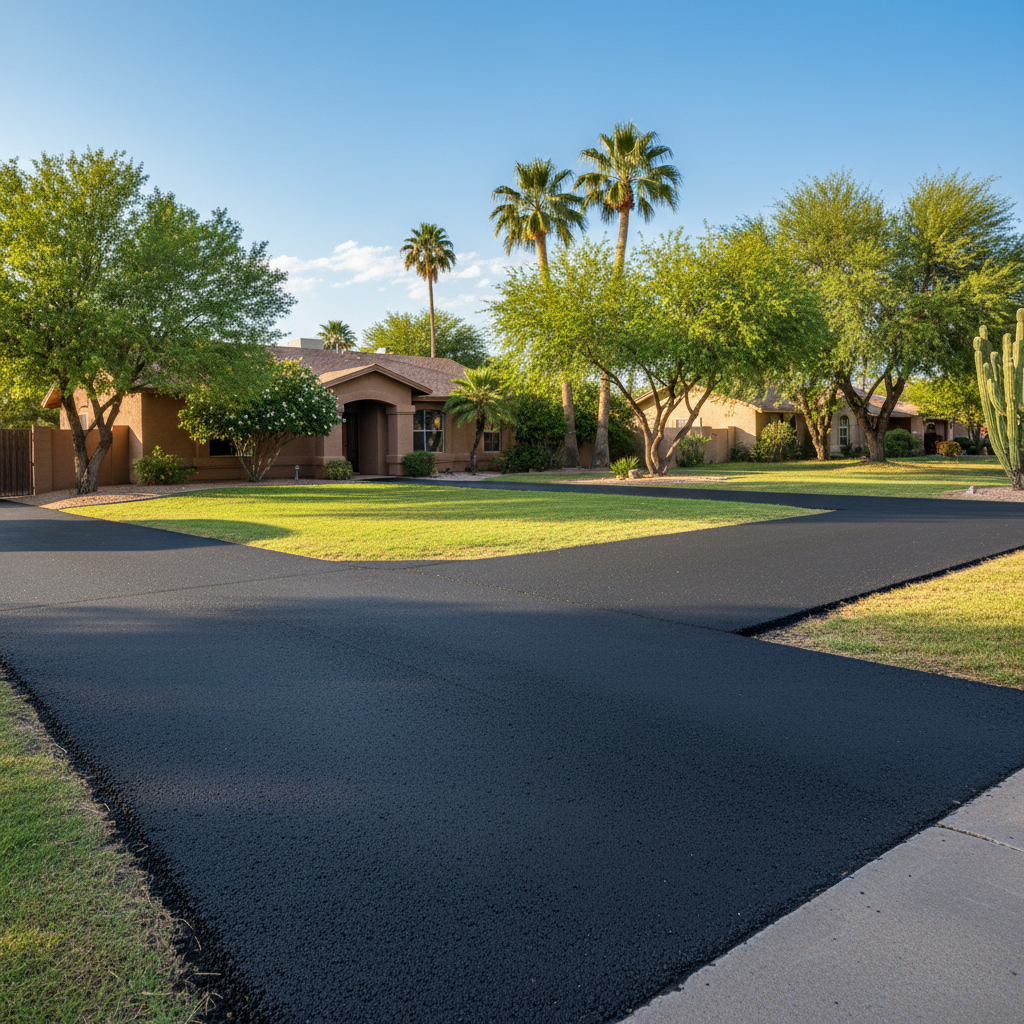
Got cracks in your asphalt driveway or parking lot? You're definitely not alone. I see it all the time here in Phoenix. But knowing when to get those repairs done is just as important as knowing what needs fixing. Our desert climate isn't like anywhere else, which means we've got to think differently about asphalt, doesn't it?
Why Phoenix Weather Dictates Your Repair Schedule
You know how hot it gets here. That intense summer sun, with ground temperatures easily hitting 150 degrees, is just brutal on asphalt. It causes constant expansion and contraction, which leads to cracks. Then the monsoon storms roll in, and water gets right into those cracks, undermining the base layer. It's a truly vicious cycle.
So, when's the best time to call us? Generally, you want to steer clear of the extreme heat of summer and those rare, but sometimes very cold, winter mornings. The sweet spot for asphalt repair in Phoenix is usually during the cooler, drier months. Think late fall, winter, and early spring. This timing allows the repair materials to cure properly without getting hit with immediate thermal shock or too much moisture.
The Impact of Temperature on Asphalt Repairs
Temperature plays a huge role in how well asphalt repair materials bond and cure. If it's too hot, the material can dry out too quickly, leading to a weaker bond. If it's too cold, it might not cure at all, leaving you with a soft, ineffective patch that just won't last. We're always looking for that Goldilocks zone – not too hot, not too cold, you know?
- Too Hot (Summer): Repair materials can "flash cure." This means they dry on the surface before fully bonding underneath, which often leads to premature failure. Plus, it's just plain dangerous for the crew working on your property. We try to schedule early mornings if we absolutely have to do summer work, but it's really not ideal.
- Too Cold (Winter Mornings): While rare, we do get some chilly mornings here. If the ambient temperature is too low, the binders in the asphalt mix won't activate properly, and the material won't compact or adhere the way it should.
- Just Right (Fall, Winter, Spring): These seasons offer more consistent, moderate temperatures. This allows the repair compounds to really penetrate properly, cure slowly, and form a strong, durable bond with your existing asphalt. It's truly the best time for crack filling, patching, and even sealcoating.
We're always checking the forecast, not just for rain, but for those temperature swings. A day that starts at 40 degrees and jumps to 80 by noon isn't ideal for certain types of work, especially if we're dealing with larger patches that need consistent curing.
Protecting Your Asphalt Investment Year-Round
Once you've had those repairs done, you want them to last, right? Here's what you can do:
- Regular Inspections: Walk your driveway or parking lot a few times a year. Look for new cracks, potholes, or areas where the asphalt looks faded. Catching small issues early prevents them from becoming big, expensive problems. Especially after monsoon season, take a good look.
- Keep it Clean: Dirt, debris, and oil spills can break down asphalt over time. Sweep regularly and clean up any spills promptly. A lot of homes in areas like Arcadia or Paradise Valley have older driveways, and keeping them clean really extends their life.
- Sealcoating: This is your asphalt's sunscreen and protective layer. A good sealcoat every 2-3 years (depending on traffic and sun exposure) protects against UV rays, water penetration, and oxidation. It's a relatively inexpensive way to significantly extend the life of your pavement. We at Western Asphalt Solutions can help you figure out the right schedule for your property.
- Address Drainage: Make sure water isn't pooling on your asphalt. Proper drainage is crucial. If water sits, it'll seep into cracks and eventually erode the base layer, leading to more extensive damage.
- Avoid Heavy Loads: While asphalt is tough, repeatedly parking heavy vehicles in the same spot, or driving over the same small area with extremely heavy loads, can accelerate wear and tear.
Don't wait until a small crack turns into a huge pothole. Be proactive. A little attention now can save you a lot of headaches and money down the road. If you're unsure about the condition of your asphalt, give us a call. We're happy to take a look and give you an honest assessment.