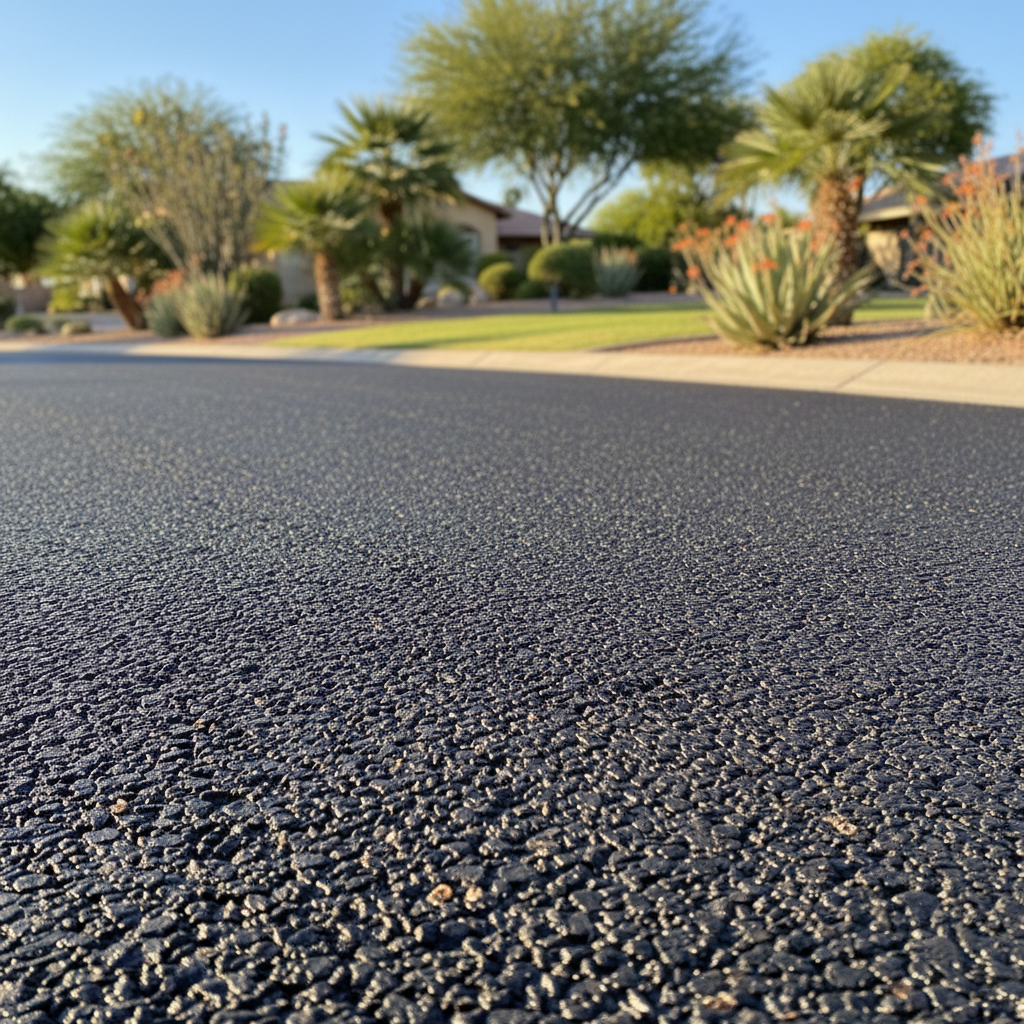
Your driveway takes a heavy beating in the Desert Southwest. Between scorching summer asphalt temperatures hitting 150 degrees and the occasional monsoon downpour that washes out unpaved edges, maintaining a solid surface around your Phoenix home requires careful attention. If you are staring out at a cracked, crumbling mess and wondering what it takes to get a fresh surface down, it helps to understand how Asphalt Paving actually works.
Before the Equipment Rolls In
Preparation makes or breaks an Asphalt Paving job, especially out here in the Sonoran Desert where our caliche soil can be as hard as concrete in some spots and shifting sand in others. You cannot just slap hot mix over a ruined base and expect it to hold up for 15 to 20 years or more. First things first: figure out what you can realistically handle yourself. Pulling weeds, marking property lines, and clearing out your garage so you can park down the street are all DIY tasks. Grading, sub-base compaction, and laying hot asphalt? Leave those to the crew with the heavy machinery.
You also need to check your HOA guidelines if you live in places like Ahwatukee or master-planned communities in North Scottsdale. They often have strict rules about colors, widths, and drainage runoff. Once you have cleared those hurdles, get your contractor lined up. Western Asphalt Solutions always tells homeowners to clear out their sprinklers along the driveway edge. Heavy trucks will crush exposed heads every single time.
During the Paving Process
When paving day arrives, things move fast. A dump truck backs up, drops hot mix into the paver, and steam starts rising into the 100-degree air. This is where you stay out of the way. Your main job on installation day is keeping kids, pets, and delivery drivers far away from the active work zone.
- Make sure all vehicles are parked outside the work area the night before.
- Keep off the freshly laid Asphalt Paving surface; it takes hours just to cool down enough to touch.
- Watch the drainage. A good crew will pitch the asphalt away from your foundation.
Compaction is a key part of this phase. If the steel-drum rollers do not pack that aggregate down tight right away, you will end up with rutting down the road when delivery vans park in your driveway.
After the Paving Crew Leaves
The crew packs up their gear, and your brand-new driveway looks sleek and dark black. Now comes the hard part: waiting. You cannot drive on new Asphalt Paving immediately. In the Phoenix heat, fresh mix stays pliable much longer than it would up in Flagstaff. Western Asphalt Solutions usually tells homeowners to keep vehicles off the surface for at least 48 to 72 hours, and even longer if it is the peak of July.
Parking heavy RVs or trailers on it during the first month is a guaranteed way to leave deep depressions. Once it has fully cured over the first few weeks, you are looking at a solid surface. To keep it that way, plan on sealcoating it every few years to lock out the relentless UV rays that dry out the liquid binder. Take care of it right, and your Asphalt Paving work will handle years of desert abuse without breaking down.