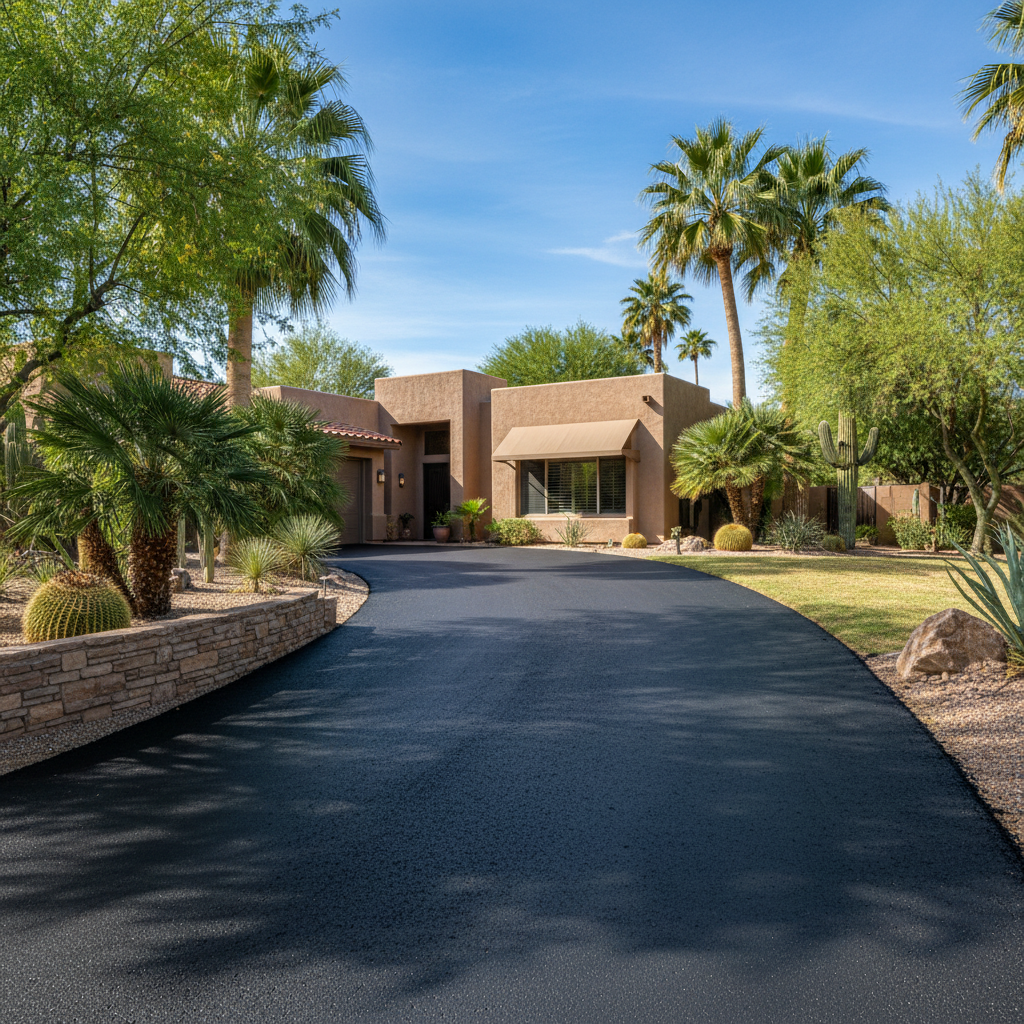
When's the best time to get your asphalt driveway paved or repaired here in Phoenix? That's a question I hear a lot, and for good reason. Our climate isn't like most places; it throws some truly unique challenges at asphalt. Knowing when to schedule work and how to care for it can save you a ton of headaches — and money — down the road.
When to Pave Your Driveway in Phoenix
You might think summer's the best time because it's hot, and asphalt needs heat to cure, right? Well, yes and no. That 115-degree August sun? It's often too much of a good thing. Laying asphalt in extreme heat can actually cause problems. The material might cool too quickly on the surface while staying too hot underneath, leading to premature cracking or a weaker bond. Plus, my crew and I are out there in it, and safety is always our top priority.
Generally, the sweet spot for asphalt paving in Phoenix is during our cooler months. Think late fall, winter, and early spring. From about October through April, daytime temperatures are usually ideal – warm enough for the asphalt to be pliable and cure properly, but not so scorching that it causes issues. You'll get a better, more durable finish when the conditions are just right. We're talking about those perfect 70-80 degree days we get so much of, aren't they great?
Phoenix Weather: It's Not Just the Heat
It's not just the heat we deal with. We've got dust, monsoons, and even cold nights that can affect your asphalt. Here's what you need to know:
- Dust & Dirt: Our dry climate means lots of dust. If we're doing a sealcoat or laying new asphalt, a clean surface is critical for good adhesion. We spend a lot of time getting the area ready, but if there's a dust storm brewing, that's definitely not the day to be laying down fresh material.
- Monsoon Season: From July to September, those sudden, heavy downpours can really mess with freshly laid or sealed asphalt. You absolutely can't pave or sealcoat on a wet surface, and if it rains shortly after, it can wash away sealers or compromise the curing process. We always keep a close eye on the forecast during monsoon season. Sometimes we'll have to reschedule to make sure your investment is protected.
- Cool Nights: Even when it's warm during the day, our desert nights can cool off significantly, especially in winter. This rapid temperature swing can sometimes affect how asphalt sets, which is why proper compaction and material temperature control are so important.
Protecting Your Driveway Investment Year-Round
Once you've got a beautiful, new asphalt driveway from Western Asphalt Solutions, you'll want to keep it looking good and lasting for years. Here's how:
- Sealcoating is Key: This is probably the most important thing you can do for your Phoenix driveway. Our intense UV rays are brutal on asphalt, drying out the binders and making it brittle. A good quality sealcoat every 2-3 years acts like sunscreen for your driveway, protecting it from the sun, water, and even oil spills. It keeps it flexible and prevents those tiny cracks from turning into big problems.
- Clean Up Spills Promptly: Oil, gas, and other automotive fluids can break down asphalt. If you see a leak, clean it up as quickly as you can. A little kitty litter can absorb the spill, then just sweep it away.
- Mind the Weight: Heavy vehicles, like RVs or construction equipment, can put a lot of stress on residential driveways not designed for that kind of load. Try to avoid parking them on your asphalt for extended periods if you can.
- Watch for Cracks: Even with the best care, small cracks can appear. Don't ignore them! Water is asphalt's enemy. When water gets into cracks, it expands and contracts with temperature changes, especially during our cooler winter nights, making the cracks bigger. Crack filling is a relatively inexpensive repair that can prevent much more costly damage down the line.
- Keep it Clean: Sweep off loose dirt, gravel, and debris regularly. This not only makes your driveway look better but also prevents abrasive materials from grinding into the surface with foot and vehicle traffic.
Taking care of your asphalt driveway in Phoenix isn't just about getting it paved right; it's about understanding our unique environment and giving it the ongoing attention it needs. Do that, and your driveway will serve you well for a long, long time.